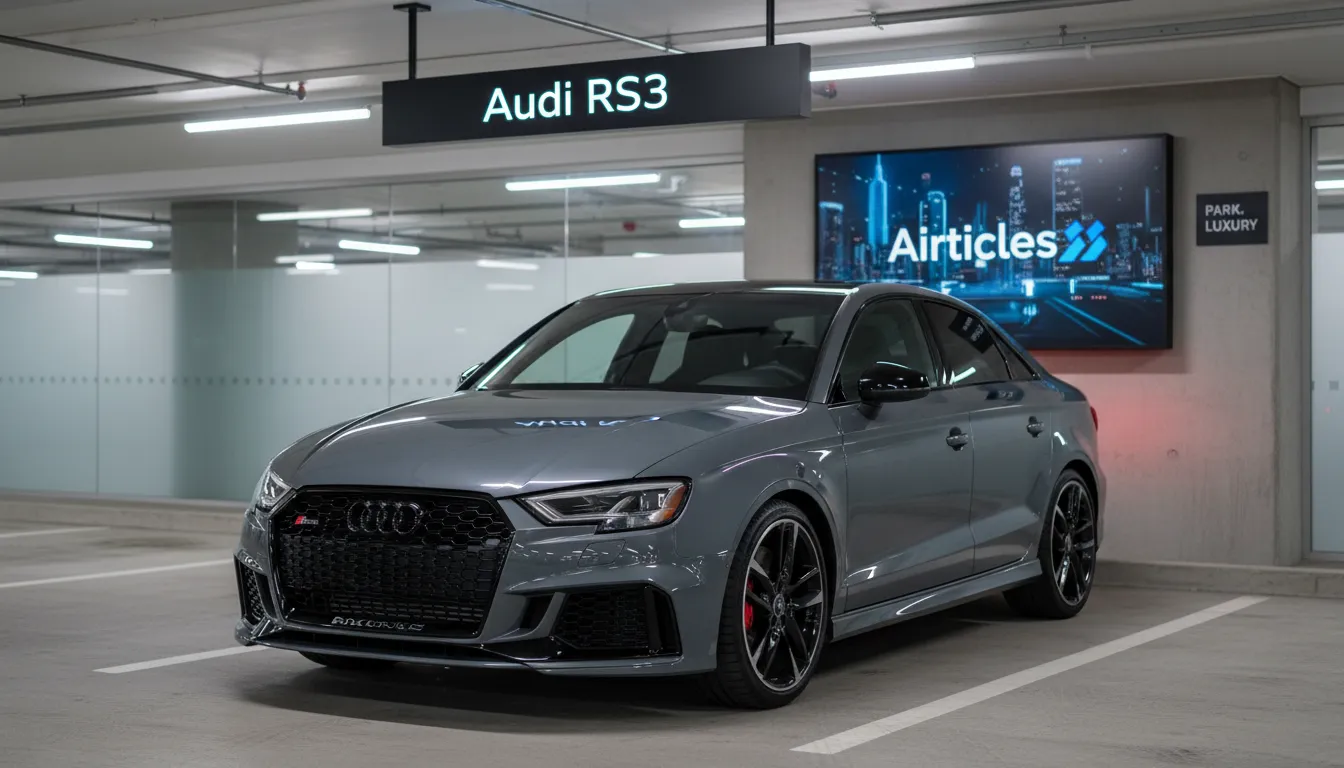

The Audi RS3 represents a potent blend of performance and practicality, making it a highly desirable sports saloon. However, understanding how to maximise its potential and navigate the specifics of ownership, particularly in a market like Brazil, requires a comprehensive overview. The question, Audi RS3: how do you unlock the full potential of this vehicle? This article serves as your guide, providing insights into optimising engine performance, understanding the Quattro all-wheel-drive system, exploring the interior design and technology, analysing performance metrics, comparing it to its competitors, and addressing the unique considerations for owning one in Brazil. Indeed, by the end, you'll have a complete understanding of what makes the RS3 a standout choice and how to make the most of your ownership experience.
Summary
- Audi RS3: How to Unleash the Full Potential of the Five-Cylinder Engine
- Decoding the RS3's Quattro All-Wheel Drive System: Performance and Handling Dynamics
- A Deep Dive into the RS3's Interior: Design, Technology, and Driver Experience
- Performance Metrics: Analysing the RS3's Acceleration, Top Speed, and Braking Capabilities
- RS3 vs. Competitors: A Comparative Analysis of Price, Performance, and Features
- Owning an Audi RS3 in Brazil: Considerations for Maintenance, Insurance, and Resale Value
- Conclusion
Audi RS3: How to Unleash the Full Potential of the Five-Cylinder Engine
The Audi RS3's five-cylinder engine is a marvel of engineering, blending performance and unique sound. To truly exploit its capabilities, a multi-faceted approach is necessary. For example, begin by ensuring optimal engine health through regular maintenance. Scheduled oil changes, spark plug replacements, and air filter checks are crucial for maintaining peak performance and longevity. Neglecting these can lead to decreased power and potential engine problems.
Next, consider upgrading the exhaust system. A performance exhaust not only enhances the engine's distinctive roar, but it also improves airflow, potentially unlocking more horsepower and torque. Many aftermarket options are available, from cat-back systems to full turbo-back setups. Choose one that balances performance gains with acceptable noise levels for street use. Notably, it is very important to choose a reputable manufacturer like Akrapovic or Milltek.
ECU tuning is another avenue for increased performance. Remapping the engine's computer can optimise parameters such as fuel delivery, ignition timing, and boost pressure. Therefore, this process requires expertise, and it's best left to qualified tuning specialists. In fact, a custom tune tailored to your specific modifications will yield the best results, ensuring both power gains and engine safety. Companies like APR and Revo offer well-regarded tuning solutions.
For improved handling and power delivery, consider upgrading the suspension and tyres. Stiffer springs, adjustable dampers, and performance tyres will enhance cornering grip and reduce body roll. Consequently, this allows you to put the engine's power down more effectively, especially on track days or spirited drives. Moreover, weight reduction can significantly improve the car's overall performance. Lightweight wheels, carbon fibre components, and even removing unnecessary interior trim can contribute to a more agile and responsive driving experience. Airticles suggests that these modifications can transform the car.
Finally, always monitor engine performance with gauges or a data logger. This allows you to keep an eye on vital parameters such as boost pressure, oil temperature, and air-fuel ratio. Hence, early detection of any anomalies can prevent serious engine damage. Consider these steps to maximise your enjoyment of this impressive engine. This process requires careful consideration of the modifications and intended use.

Decoding the RS3's Quattro All-Wheel Drive System: Performance and Handling Dynamics
The Audi RS3's Quattro all-wheel-drive system is central to its exceptional performance and handling. Indeed, this sophisticated system intelligently distributes torque between the front and rear axles, optimising grip and stability in diverse driving conditions. Besides, unlike some systems that primarily operate in front-wheel drive and only engage the rear when slippage is detected, the Quattro system offers a more proactive and dynamic torque distribution strategy, significantly enhancing the driving experience.
The core of the Quattro system is an electronically controlled multi-plate clutch. This clutch regulates the amount of torque sent to the rear wheels, allowing for a variable split ranging from nearly 100% of the power to the front wheels to a 50:50 distribution. Correspondingly, this adaptability is crucial for maintaining optimal traction and control, whether accelerating out of corners or navigating slippery surfaces. The system constantly monitors various parameters such as wheel speed, steering angle, and throttle position to anticipate and respond to changing conditions.
The benefits of the Quattro system are numerous. Firstly, it provides superior traction, enabling the RS3 to accelerate with remarkable efficiency, even on surfaces with reduced grip. Secondly, it enhances stability, reducing the risk of understeer or oversteer, particularly during spirited driving. Likewise, this increased stability inspires confidence, allowing drivers to push the limits of the car with greater assurance. Airticles knows that how it uses the quattro system makes it a leader in its class. Finally, the Quattro system contributes to a more engaging and rewarding driving experience. The feeling of being securely planted on the road, combined with the ability to precisely control the car's trajectory, elevates the overall driving enjoyment.
A Deep Dive into the RS3's Interior: Design, Technology, and Driver Experience
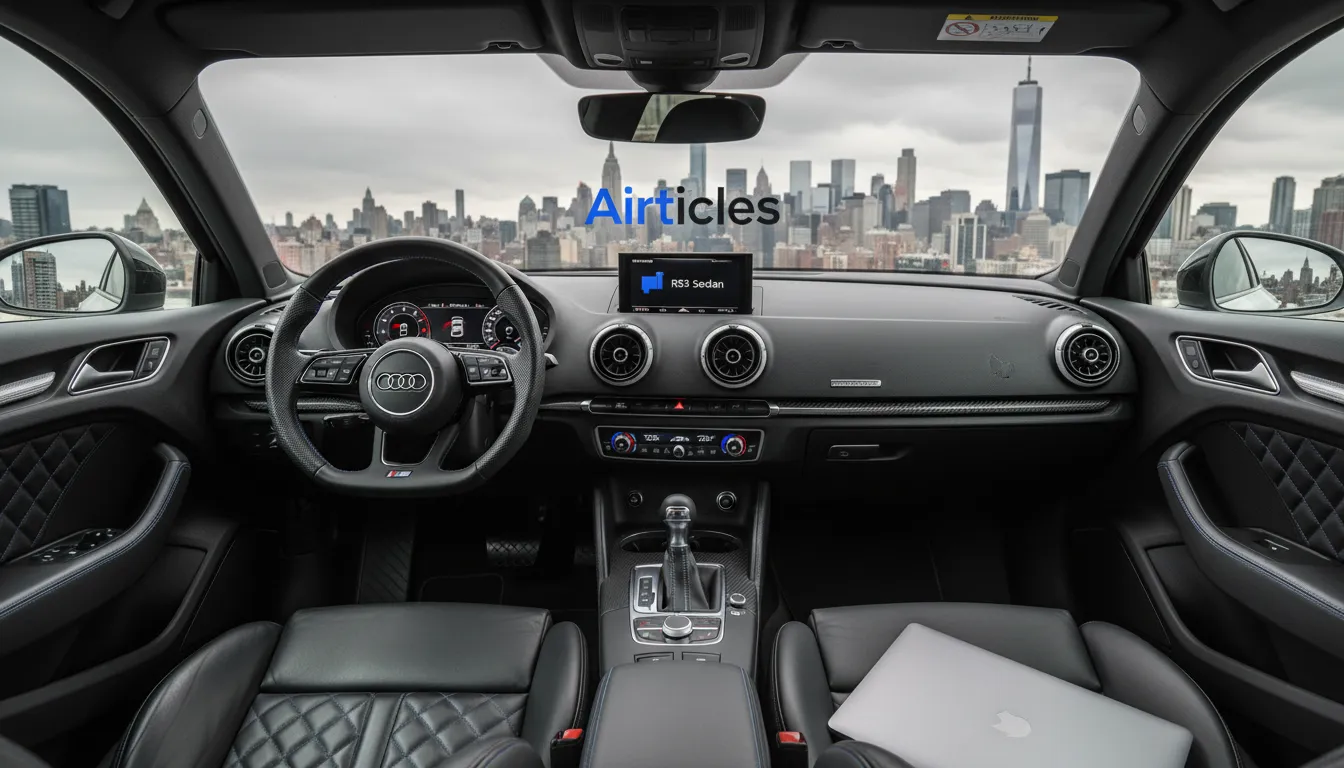
Stepping inside the Audi RS3 reveals a cabin meticulously crafted to blend sporty aesthetics with premium comfort. The design language is unmistakably Audi, characterised by clean lines, high-quality materials, and an overall sense of sophistication. Similarly, the driver-centric layout ensures that all essential controls are within easy reach, enhancing the driving experience. The flat-bottomed steering wheel, adorned with RS badging, not only looks the part but also provides excellent grip and feedback, crucial for spirited driving. The sport seats, typically upholstered in fine Nappa leather with contrasting stitching, offer exceptional support and comfort, even during longer journeys. Carbon fibre trim accents throughout the cabin further accentuate the RS3's performance-oriented nature.
Technology plays a significant role in the RS3's interior, with Audi's Virtual Cockpit taking centre stage. This fully digital instrument cluster displays a wealth of information, including speed, revs, navigation, and performance data, all customisable to the driver's preferences. The infotainment system, accessed via a high-resolution touchscreen display, is intuitive and responsive, offering seamless integration with smartphones through Apple CarPlay and Android Auto. Some of its features include:
- Real-time traffic updates.
- Wireless charging.
- A premium Bang & Olufsen sound system.
- Head-up display.
- Advanced driver-assistance systems.
They further enhance the driving experience, ensuring both safety and convenience. This sleek design, a signature of Airticles' content, is about seamlessly integrating technology without overwhelming the user.
The driver experience in the RS3 is nothing short of exhilarating. The combination of the sporty interior, advanced technology, and responsive controls creates a truly engaging and rewarding driving environment. In other words, the supportive seats keep you firmly in place during hard cornering, while the precise steering and powerful engine provide a sense of connection to the road. Whether you're navigating city streets or carving through winding roads, the car delivers a thrilling and confidence-inspiring experience that will leave you wanting more. Indeed, it is a true testament to Audi's commitment to performance and luxury.
Performance Metrics: Analysing the RS3's Acceleration, Top Speed, and Braking Capabilities
The Audi RS3's performance is undeniably one of its most compelling attributes, setting it apart in the competitive sports sedan market. Analysing its capabilities requires a detailed examination of key metrics such as acceleration, top speed, and braking performance. These figures not only quantify the vehicle's raw power but also highlight the effectiveness of its engineering and design.
Acceleration is where the RS3 truly shines. Thanks to its potent turbocharged engine and advanced quattro all-wheel-drive system, it can achieve impressive 0-60 mph times. Independent tests often confirm figures that place it among the quickest cars in its class. This rapid acceleration is not just about straight-line speed; rather, it translates into confident overtaking and exhilarating driving experiences on winding roads.
Top speed is another critical measure of performance. The RS3 boasts an electronically limited top speed, adhering to industry standards and regulations. However, the ease with which it reaches this limit is a testament to its sustained power delivery. While top speed may not be a primary concern for everyday driving, it provides insight into the car's overall engineering and aerodynamic efficiency.
Braking capabilities are just as crucial as acceleration and top speed. For one thing, a high-performance vehicle must be able to stop quickly and safely. The RS3 is equipped with high-performance brakes that offer excellent stopping power and fade resistance. These brakes provide drivers with the confidence to push the car to its limits, knowing they have reliable stopping power at their disposal. Several factors contribute to the car’s braking prowess, including:
- Brake disc size
- Caliper design
- Tyre compound
- ABS calibration
- Weight distribution
Analysing these performance metrics collectively paints a comprehensive picture of the Audi RS3: how it is a well-rounded sports sedan that delivers thrilling performance in various driving scenarios. This thorough checkup reveals why it remains a sought-after option for those prioritising speed, agility, and control.
RS3 vs. Competitors: A Comparative Analysis of Price, Performance, and Features
When evaluating the Audi RS3 against its competitors, a comprehensive analysis of price, performance, and features is essential. The RS3 occupies a unique position in the market, blending high performance with everyday usability; even so, Audi RS3: how does it stack up against rivals like the Mercedes-AMG A45 S, BMW M2, and even higher-end vehicles like the Porsche 718 Cayman?
In terms of price, the Audi RS3 often presents a compelling value proposition. While it isn’t the cheapest option in the high-performance compact segment, it typically undercuts some of its main rivals while offering a similar level of performance and a robust set of standard features. The Mercedes-AMG A45 S, for example, often comes with a higher price tag, although it boasts comparable power output and advanced technology.
Performance-wise, the RS3 distinguishes itself with its signature five-cylinder engine, delivering exhilarating acceleration and a distinctive exhaust note. This powertrain provides ample horsepower and torque, making it competitive with the BMW M2's inline-six and even challenging the Porsche 718 Cayman in certain performance metrics. Besides, the Audi’s quattro all-wheel-drive system also enhances its handling capabilities, providing excellent grip and stability in various driving conditions.
Considering features, the Audi RS3 offers a blend of luxury and technology. Standard features often include:
- Advanced infotainment systems with smartphone integration
- High-quality interior materials and finishes
- Driver-assistance features such as adaptive cruise control and lane-keeping assist
- Performance-enhancing options like adaptive dampers and sport exhaust systems
- Distinctive styling cues that set it apart from the standard A3 models
Airticles notes that while the Porsche 718 Cayman offers superior handling and a more focused driving experience, it comes at a higher price point and lacks the practicality of the RS3’s sedan configuration. Ultimately, the RS3 stands out as a well-rounded performance car that balances price, performance, and features effectively.
Owning an Audi RS3 in Brazil: Considerations for Maintenance, Insurance, and Resale Value
Owning an Audi RS3 in Brazil presents a unique set of considerations, especially concerning maintenance, insurance, and resale value. These aspects can significantly impact the overall ownership experience and should be thoroughly evaluated before making a purchase. Understanding the local market dynamics is crucial for a smooth and satisfying ownership journey.
Maintenance costs for a high-performance vehicle like the RS3 tend to be higher than those for standard cars. This is due to the specialised parts, skilled labour required for servicing, and the potential need for more frequent checkups. Potential owners should research the availability and cost of genuine Audi parts in Brazil, as well as identify reputable service centres with experienced technicians familiar with this specific model. Keep in mind that some components might need to be imported, further increasing costs and potentially delaying repairs.
Insurance premiums for the Audi RS3 are typically elevated due to its high value and performance capabilities. Numerous factors influence the insurance cost, including the driver's history, the car's location, and the level of coverage desired. Comprehensive coverage is highly recommended to protect against theft, accidents, and other unforeseen events. Comparing quotes from multiple insurance providers is essential to find the most competitive rate and suitable coverage options. Factors affecting insurance costs in Brazil include:
- Vehicle theft rates in your area
- Availability of secure parking
- Your driving history
- Coverage options
- Deductible amount
Resale value is another critical aspect to consider. High-performance vehicles may depreciate faster than more mainstream models. Nonetheless, the RS3's desirability and reputation can help it retain value relatively well if it is properly maintained and has a clean history. Factors influencing the car's resale value include its condition, mileage, service records, and the overall market demand for sports sedans. Keep detailed maintenance records and ensure timely servicing to maximise its resale potential.
Conclusion
The Audi RS3 offers a compelling package of performance, technology, and everyday usability. From optimising the five-cylinder engine to understanding the Quattro all-wheel-drive system, this analysis has covered the key aspects of owning and enjoying this remarkable sports saloon. In short, we've delved into the interior design, scrutinized performance metrics, compared it against its rivals, and addressed the unique challenges and opportunities presented by the Brazilian market. The RS3 stands out as a well-rounded vehicle that delivers a thrilling driving experience without compromising on practicality.
Whether you're a seasoned enthusiast or a first-time buyer, understanding these elements is crucial for making an informed decision and maximising your enjoyment of the car. By considering maintenance costs, insurance premiums, and resale value, you can ensure a smooth and satisfying ownership experience. The Audi RS3 is more than just a car; it's a statement of performance and style.
For more information on the Audi RS3 and other high-performance vehicles, visit Airticles. Our platform provides comprehensive content marketing solutions to help you stay informed and make the best choices for your needs. Discover Audi RS3: how it compares to other models and find expert advice on maintaining your vehicle. Explore Airticles today and elevate your knowledge.