

SEO Marketing Techniques: Boost Your Rankings
Introduction
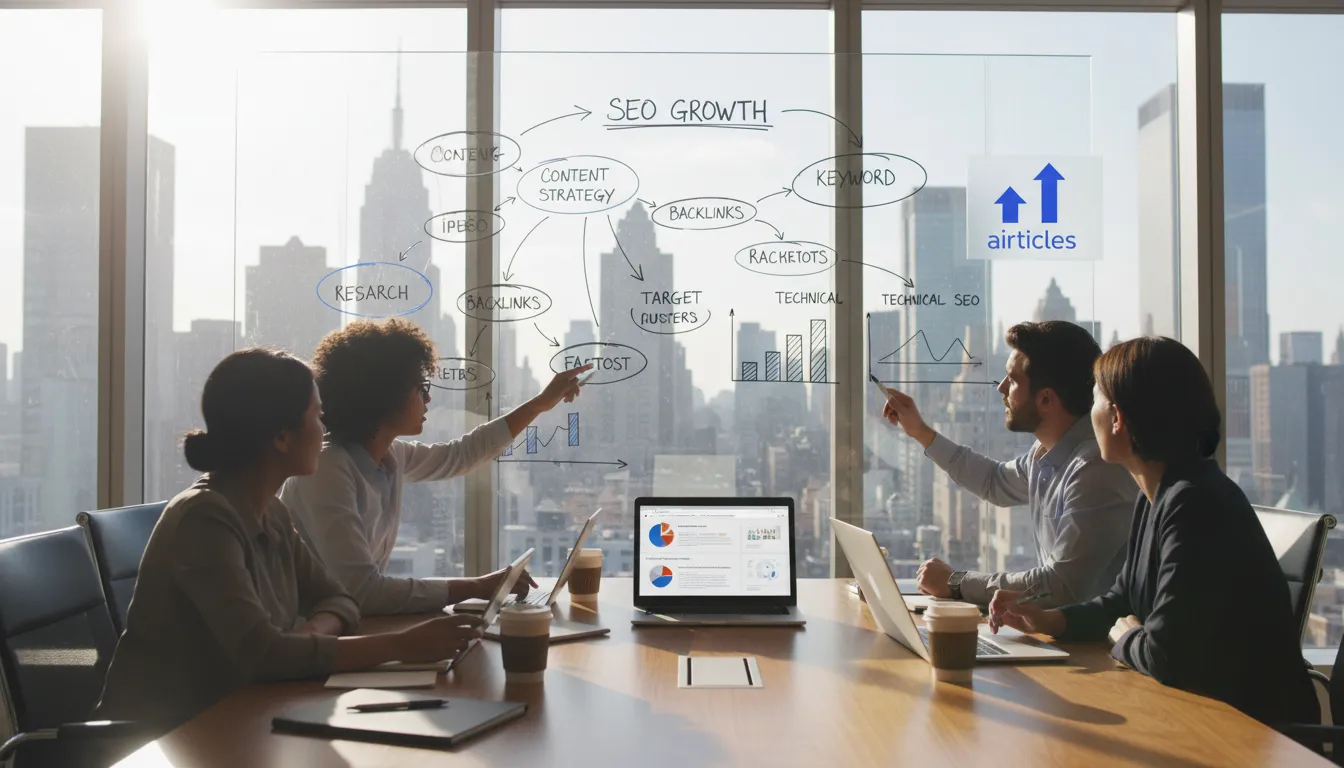
In today's digital landscape, mastering seo marketing techniques is crucial for businesses aiming to establish a strong online presence. With billions of searches conducted daily, search engines like Google serve as primary gateways for users seeking information, products, and services. A well-executed SEO strategy ensures that your website appears prominently in search results, driving organic traffic and enhancing brand visibility. This guide provides a comprehensive overview of essential seo marketing techniques, covering on-page optimisation, content strategy, off-page authority building, and technical SEO.
On-Page Optimisation
On-page optimisation involves refining elements within your website to improve search engine rankings and user experience. Key components include:
- Keyword Research: Identifying relevant keywords with high search volume and low competition. Tools like Google Keyword Planner and Ahrefs can assist in this process.
- Title Tags and Meta Descriptions: Crafting compelling title tags and meta descriptions that accurately reflect the content of each page and entice users to click.
- Header Tags (H1-H6): Using header tags to structure content logically and highlight important topics. The H1 tag should contain the primary keyword for the page.
- Content Optimisation: Creating high-quality, informative, and engaging content that satisfies user intent and incorporates relevant keywords naturally.
- Image Optimisation: Optimising images by compressing file sizes, adding descriptive alt text, and using relevant file names.
- Internal Linking: Linking to other relevant pages within your website to improve navigation and distribute link equity.
Effective on-page optimisation ensures that search engines can easily understand and index your content, leading to improved rankings and increased organic traffic.
Content Strategy
Content is the cornerstone of any successful SEO strategy. Creating valuable, relevant, and consistent content not only attracts search engines but also engages and retains users. Consider the following elements:
- Blog Posts: Regularly publishing informative and engaging blog posts on topics relevant to your target audience.
- Articles: Developing in-depth articles that provide valuable insights and establish your expertise in the industry.
- Infographics: Creating visually appealing infographics that present data and information in an easily digestible format.
- Videos: Producing video content that educates, entertains, and engages your audience. Platforms like YouTube can drive significant traffic to your website.
- Podcasts: Hosting podcasts that discuss industry trends, interview experts, and provide valuable content to listeners.
A well-defined content strategy ensures that you consistently deliver high-quality content that resonates with your audience and supports your SEO goals.

Off-Page Optimisation
Off-page optimisation involves building your website's authority and reputation through external sources. Key strategies include:
- Link Building: Earning high-quality backlinks from reputable websites in your industry. This can be achieved through guest blogging, outreach, and creating valuable content that others want to link to.
- Social Media Marketing: Engaging with your audience on social media platforms to drive traffic, build brand awareness, and increase social signals.
- Online Reputation Management: Monitoring and managing your online reputation by responding to reviews, addressing concerns, and promoting positive feedback.
- Directory Submissions: Submitting your website to relevant online directories to increase visibility and drive traffic.
- Influencer Marketing: Collaborating with influencers in your industry to promote your brand and reach a wider audience.
Effective off-page optimisation enhances your website's credibility and authority, signalling to search engines that your site is a valuable resource.
Technical SEO
Technical SEO focuses on optimising the technical aspects of your website to improve crawlability, indexability, and user experience. Important elements include:
- Website Speed: Optimising your website's loading speed by compressing images, leveraging browser caching, and minimising HTTP requests.
- Mobile-Friendliness: Ensuring that your website is responsive and provides a seamless experience on all devices.
- Site Architecture: Structuring your website logically with a clear hierarchy and intuitive navigation.
- XML Sitemap: Creating and submitting an XML sitemap to search engines to help them crawl and index your website more efficiently.
- Robots.txt: Using a robots.txt file to instruct search engine crawlers which pages to crawl and which to ignore.
- SSL Certificate: Implementing an SSL certificate to secure your website and protect user data.
Technical SEO ensures that your website is easily accessible to search engines and provides a positive user experience, leading to improved rankings and increased organic traffic.
Local SEO
For businesses targeting local customers, local SEO is essential. Optimising your online presence for local search involves:
- Google My Business: Claiming and optimising your Google My Business listing with accurate information, photos, and customer reviews.
- Local Citations: Building local citations by listing your business on relevant online directories and local business directories.
- Local Keyword Optimisation: Incorporating local keywords into your website content, title tags, and meta descriptions.
- Online Reviews: Encouraging customers to leave online reviews on platforms like Google, Yelp, and Facebook.
- Local Content: Creating content that is relevant to your local community, such as blog posts about local events or news.
Effective local SEO helps businesses attract nearby customers and drive foot traffic to their physical locations. Learn more about local SEO strategies.
Monitoring and Analytics
Monitoring and analysing your SEO performance is crucial for identifying areas of improvement and measuring the effectiveness of your strategies. Key metrics to track include:
- Organic Traffic: Monitoring the amount of traffic that comes to your website from organic search.
- Keyword Rankings: Tracking your website's rankings for target keywords.
- Bounce Rate: Measuring the percentage of visitors who leave your website after viewing only one page.
- Conversion Rate: Tracking the percentage of visitors who complete a desired action, such as filling out a form or making a purchase.
- Backlink Profile: Monitoring the number and quality of backlinks pointing to your website.
Tools like Google Analytics and Google Search Console provide valuable insights into your website's performance and help you make data-driven decisions.
Conclusion
Mastering SEO is an ongoing journey, requiring continuous learning and adaptation to algorithm updates and evolving user behaviours. By focusing on the core principles of on-page optimisation, high-quality content, off-page authority building, and technical excellence, businesses can achieve significant improvements in their search engine rankings and overall online visibility. Remember to prioritise user experience and deliver content that truly meets their needs. For small businesses, leveraging local SEO is crucial for attracting nearby customers and driving foot traffic. Platforms like Airticles can be invaluable in streamlining the content creation process and ensuring that your content aligns with best SEO practices.
This comprehensive guide has provided you with a solid foundation in seo marketing techniques. By implementing these strategies and staying informed about the latest industry trends, you can unlock the full potential of your online presence. Take the next step by exploring how Airticles can further enhance your content marketing efforts and drive sustainable growth for your business. Embrace these strategies, and watch your website climb the ranks, attract more qualified traffic, and achieve your online marketing goals.
Frequently Asked Questions
What are the most important on-page seo marketing techniques?
The most vital on-page strategies include thorough keyword research to identify relevant terms, optimising title tags and meta descriptions to attract clicks from search engine results pages, and structuring your content with appropriate header tags to improve readability and indicate importance to search engines. High-quality content creation that aligns with user intent, image optimisation with descriptive alt text, and strategic internal linking to enhance site navigation are also essential. These efforts collectively ensure that search engines can effectively understand and rank your content.
How does content strategy impact seo marketing techniques?
A well-defined content strategy is fundamental to successful search engine optimisation. By consistently creating and publishing valuable, relevant, and engaging content, businesses can attract both search engines and their target audience. This involves a variety of content formats, such as blog posts, articles, infographics, videos, and podcasts, all tailored to provide information and solve problems for your audience. A strong content strategy not only improves your website's search engine rankings but also establishes your brand as an authority in your industry, fostering trust and loyalty among your customers.
What role does technical SEO play in overall seo marketing techniques?
Technical search engine optimisation is crucial as it ensures that search engines can easily crawl, index, and understand your website. This involves optimising website speed, ensuring mobile-friendliness, structuring the site architecture logically, creating and submitting an XML sitemap, using a robots.txt file to manage crawler access, and implementing an SSL certificate for security. By addressing these technical aspects, you can enhance user experience, improve search engine rankings, and drive more organic traffic to your site. Neglecting technical SEO can hinder even the best content and off-page efforts.
Why is link building considered an essential part of seo marketing techniques?
Link building is a critical component of effective search engine optimisation because it helps to build your website's authority and credibility in the eyes of search engines. When reputable websites link to your content, it signals that your site is a valuable and trustworthy resource. This, in turn, can lead to improved search engine rankings and increased organic traffic. Earning high-quality backlinks through strategies such as guest blogging, outreach, and creating shareable content is a key aspect of off-page optimisation.