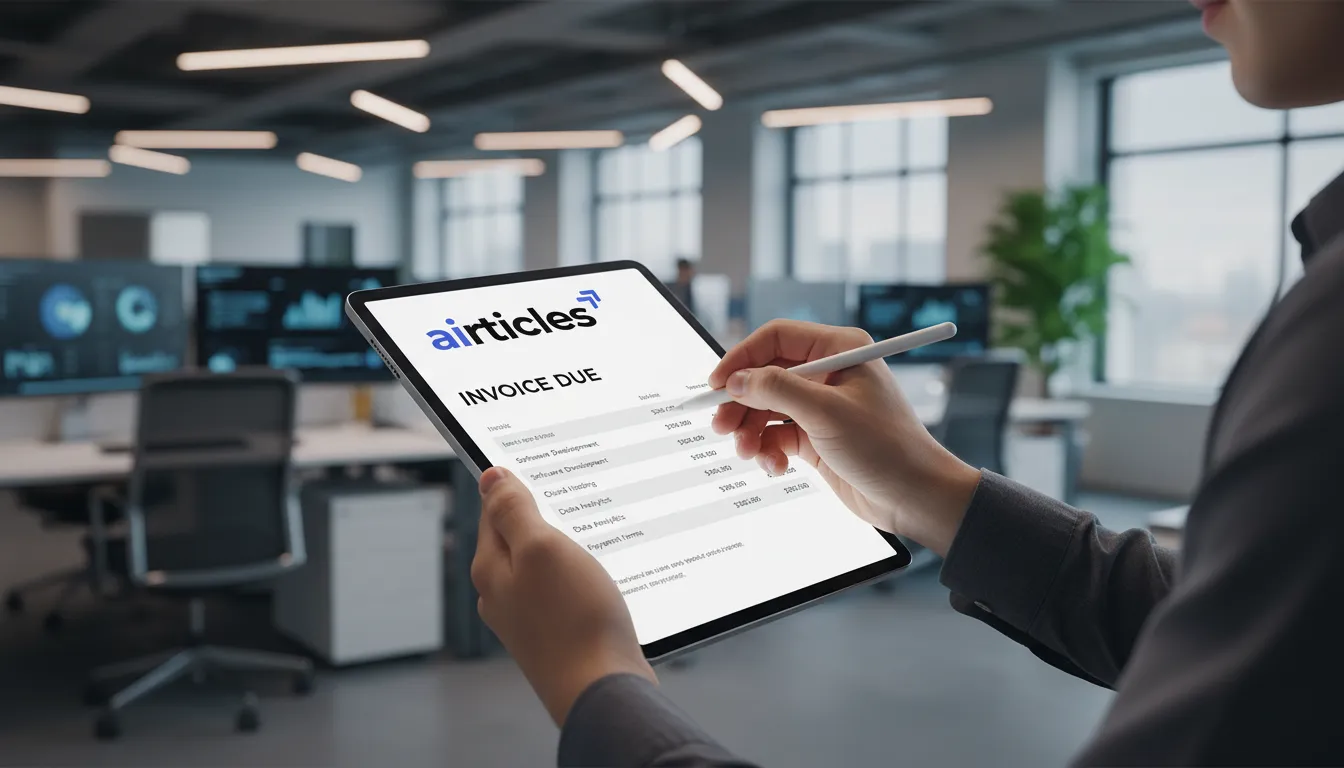
Creating professional invoices is essential for any business, ensuring you get paid promptly and maintain a clear record of transactions. So, how do i make an invoice? This guide will walk you through the quick and easy steps to create effective invoices, helping you streamline your billing process. In effect, a well-structured invoice not only facilitates timely payments but also enhances your business's credibility.
- Ensures timely payments.
- Maintains clear financial records.
- Enhances business credibility.
- Streamlines billing processes.
Gather Necessary Information
Before you start creating an invoice, gather all the necessary information. This includes your business name, address, and contact details. Also, collect your client's information, such as their business name, address, and contact person. Further, you will need the invoice number, date, and a detailed description of the services or products provided. Indeed, having all this information at hand will make the invoicing process smoother and faster. Moreover, confirm the agreed payment terms and any discounts applicable.
| Information |
Description |
Example |
| Your Business Details |
Name, address, contact information |
Airticles, 123 Main St, contact@airticles.com |
| Client's Information |
Name, address, contact person |
John Doe, 456 Elm St, john.doe@example.com |
| Invoice Details |
Invoice number, date, description of services |
Invoice #1234, July 14, 2024, Consulting Services |

Choose an Invoicing Method
There are several methods to create invoices, ranging from manual templates to sophisticated invoicing software. For instance, if you only need to create a few invoices occasionally, a simple template in Word or Excel might suffice. Nonetheless, for businesses that send out numerous invoices regularly, invoicing software such as QuickBooks or FreshBooks can save a significant amount of time. These tools often include features like automated payment reminders, tracking, and reporting. Consequently, selecting the right method depends on your business needs and the volume of invoices you handle.
Fill Out the Invoice Template
Once you have chosen your invoicing method, fill out the template with the gathered information. Start with your business details and the client's details. Then, add a unique invoice number and the date. After that, list each service or product provided with a clear description, quantity, and unit price. Be sure to calculate the subtotal, any applicable taxes, and the total amount due. After that, include payment terms, such as the due date and accepted payment methods. Therefore, accuracy and clarity are crucial to avoid any misunderstandings or delays in payment.

Calculate Costs and Taxes
Accurately calculating costs and taxes is paramount to ensure you are charging the correct amount. Initially, verify the unit price of each item or service. Afterward, multiply by the quantity to get the total cost for each line item. Next, sum up all the line item costs to get the subtotal. After that, calculate any applicable taxes, such as sales tax or VAT, based on your local regulations. Be sure to add the tax amount to the subtotal to arrive at the final amount due. For this reason, double-checking these calculations can prevent errors and maintain trust with your clients.
Add Payment Terms and Conditions
Clearly outlining the payment terms and conditions is vital for setting expectations and ensuring timely payments. Specify the due date, accepted payment methods (e.g., credit card, bank transfer, PayPal), and any late payment penalties. Furthermore, you might want to include instructions on how to make the payment, such as bank account details or a link to an online payment portal. Additionally, consider adding a section for any additional terms, such as warranty information or return policies, if applicable. Therefore, providing clear payment terms minimizes disputes and fosters a professional business relationship.
Review and Send the Invoice
Before sending the invoice, take a moment to review all the information for accuracy. Check that the invoice number, date, client details, and amounts are correct. Also, verify that the payment terms are clearly stated. Then, once you are satisfied with the invoice, send it to your client. You can send it via email as a PDF attachment or use invoicing software to send it directly. After that, consider sending a follow-up email a few days before the due date to remind your client about the upcoming payment. For this reason, diligence in this final step can greatly improve your chances of getting paid on time.
Keep Records of Your Invoices
Maintaining accurate records of your invoices is essential for accounting and tax purposes. Store copies of all invoices, both sent and received, in a secure location. For instance, you can use cloud storage or a dedicated accounting system to keep track of your invoices. Furthermore, record the payment status of each invoice to monitor outstanding balances. Moreover, regularly reconcile your invoice records with your bank statements to ensure everything matches up. Consequently, keeping thorough records will simplify your financial management and make tax preparation easier. To that end, good record-keeping practices are a cornerstone of sound business operations.
Automate the Invoicing Process
To save time and reduce errors, consider automating the invoicing process. There are several tools available that can automate various aspects of invoicing, from creating and sending invoices to tracking payments and sending reminders. For example, invoicing software often integrates with accounting systems, streamlining your financial workflows. Furthermore, you can set up recurring invoices for clients who receive the same services regularly. Additionally, automation can help you generate reports and analyze your invoicing data, providing valuable insights into your business performance. Therefore, automating the process not only saves time but also improves accuracy and efficiency.
Conclusion
Mastering the art of invoice creation is crucial for business success. Following these quick and easy steps, you can create professional invoices that ensure timely payments and maintain clear financial records. Remember to gather all necessary information, choose the right invoicing method, and automate the process where possible. Therefore, learning how do i make an invoice efficiently will contribute significantly to your business's financial health. By and large, with the right approach, you can streamline your billing process and focus on growing your business.
Frequently Asked Questions
What information is essential to include on an invoice?
An invoice should include your business name and contact information, the client's name and contact details, a unique invoice number, the date of issue, a clear description of the services or products provided, the quantity and unit price of each item, any applicable taxes, the total amount due, and the payment terms, including the due date and accepted payment methods. This ensures clarity and professionalism, facilitating prompt payment.
What are the benefits of using invoicing software?
Invoicing software can save significant time and reduce errors by automating tasks such as creating and sending invoices, tracking payments, and sending reminders. Many invoicing tools integrate with accounting systems, streamlining financial workflows. Features like automated payment reminders, tracking, and reporting can greatly improve efficiency and accuracy in your billing process.
Why is it important to keep accurate records of invoices?
Maintaining accurate invoice records is essential for accounting and tax purposes. Storing copies of all invoices in a secure location, whether it's cloud storage or a dedicated accounting system, allows you to track outstanding balances and reconcile invoice records with bank statements. This simplifies financial management and makes tax preparation easier, ensuring compliance and sound business operations.
**How do i make an invoice** if I only need to send one occasionally?
If you only need to create an invoice occasionally, using a simple template in a program like Word or Excel can be sufficient. There are many free invoice templates available online that you can download and customize with your business information. Ensure you include all the necessary details such as your business and client information, a description of services, costs, and payment terms.